


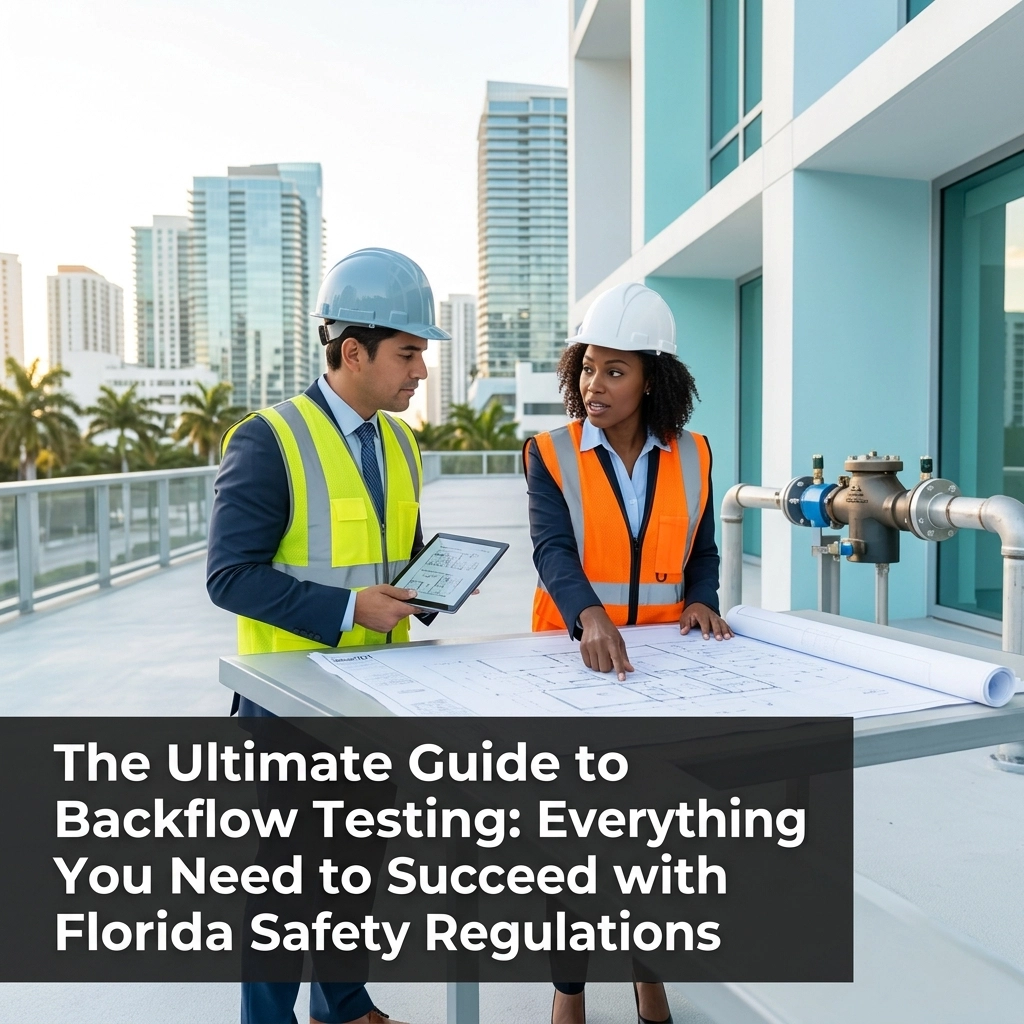
Protecting the purity of your drinking water is more than just a home maintenance task, in the Sunshine State, it is a legal requirement. Florida’s unique geography and high water table make our water supply particularly vulnerable to contamination. As a statewide leader in plumbing services, Florida Plumbing Specialists understands that navigating the maze of backflow regulations can feel overwhelming for many property owners.
Backflow testing ensures that your plumbing system remains a one-way street. It prevents contaminated water from "backflowing" into the clean, potable water supply used for drinking, cooking, and bathing. Whether you are a homeowner in Orlando, a restaurant owner in Miami, or a property manager in Jacksonville, understanding these regulations is essential for safety and compliance.
What is Backflow and Why Does It Matter in Florida?
In a perfectly functioning plumbing system, water is maintained at a specific pressure to enable it to flow from the municipal source to your taps. However, if that pressure suddenly drops, perhaps due to a nearby water main break or high demand during a fire emergency, the direction of the flow can reverse.
When this happens, "back-siphonage" or "back-pressure" can pull non-potable water, chemicals, fertilizers, or even waste back into the clean water lines. In Florida, where irrigation systems and swimming pools are standard, the risk of cross-contamination is high. This is why backflow testing is a critical component of our state’s public health infrastructure.
Florida Safety Regulations and Compliance
Florida Plumbing Specialists operates under strict adherence to the Florida Department of Environmental Protection (DEP) guidelines and the Florida Building Code. While the state provides a baseline, individual utilities often have even stricter local ordinances.
Testing Frequency
For most residential and commercial properties in Florida, backflow prevention assemblies must be tested annually. Some jurisdictions may allow for testing every two years for specific residential setups, but annual certification is the industry standard to ensure the mechanical parts haven't failed due to Florida’s harsh, mineral-rich water.
Fire Sprinkler Systems
If your property has a fire sprinkler system, the regulations are even more stringent. Florida law requires annual testing and certification by a licensed professional. These results must be submitted to the local fire marshal and water authority to prove the system won't contaminate the city supply while remaining ready for an emergency.

Standards for Backflow Device Installation
Correct installation is the first step toward compliance. A poorly installed device is a liability, not a safety feature. Florida Plumbing Specialists follows precise standards to ensure every installation passes inspection the first time.
- Height Requirements: Devices must be installed between 12 and 60 inches above the finished grade. This prevents the device from being submerged in floodwaters and provides our technicians with the necessary access for testing.
- Strategic Placement: The assembly should be located as close to the service connection (the water meter) as possible. This ensures that the entire property’s internal plumbing is protected from the municipal supply.
- Prohibited Installations: Mechanical backflow preventers should never be installed in pits or locations prone to flooding, as this can lead to "cross-connection" through the relief valve.
If you are currently searching for a plumber near me to handle a new installation, ensure they are familiar with these specific height and placement mandates to avoid costly relocation orders later.
Common Types of Backflow Prevention Devices
Not all backflow preventers are created equal. The type of device required depends on the "hazard level" of your property.
Reduced Pressure Zone (RPZ) Assemblies
These are the gold standard for high-hazard applications. You will typically find these at commercial properties, car washes, medical facilities, and homes with dedicated irrigation chemicals. They feature a relief valve that will dump water if the system fails, providing a physical air gap that makes backflow nearly impossible.
Double Check Valve Assemblies (DCVA)
Commonly used in low-to-medium hazard residential settings, these consist of two spring-loaded check valves. They are compact and effective but do not offer the same level of protection as an RPZ for toxic chemicals.
Pressure Vacuum Breakers (PVB)
Specifically designed for irrigation systems, PVBs must be installed at least 12 inches above the highest sprinkler head on the property. They are excellent at preventing back-siphonage but cannot handle back-pressure.
The Testing Process: What to Expect
When you schedule a backflow test with Florida Plumbing Specialists, our certified technicians follow a standardized procedure. We use calibrated gauge equipment to measure the pressure differentials within the assembly.
- Step 1: Visual Inspection. We check for leaks, corrosion, or illegal bypasses.
- Step 2: Testing the Valves. We check the "opening point" of relief valves and the "tightness" of the check valves.
- Step 3: Documentation. We record the PSI readings and ensure they meet the manufacturer's and the state's specifications.
- Step 4: Submission. We handle the paperwork, submitting the digital or physical forms to your local utility provider so you stay in good standing.
If a device fails, it is usually due to worn-out rubber seals or debris caught in the valves. Because we are a full-service provider, we can often perform repairs on the spot, avoiding a second service call and ensuring your water remains on.

Why You Shouldn't Skip Your Annual Test
Neglecting your backflow testing isn't just a safety risk; it’s a financial one. Florida water authorities are proactive about enforcement.
- Water Disconnection: If you fail to submit your annual certification, the utility company has the right to shut off your water service until compliance is met.
- Fines and Penalties: Many Florida counties impose daily fines for non-compliance, which can quickly exceed the cost of the test itself.
- Liability Issues: If a backflow incident occurs on your property and contaminates the public supply, you could be held legally liable for damages and health-related costs.
- Insurance Complications: For commercial properties, insurance providers may deny claims related to water damage or fire if your backflow and fire prevention systems were not up to code.
If you find yourself in a situation where your water has been shut off due to a compliance issue, you need an emergency plumber who can respond immediately. Florida Plumbing Specialists offers 24-hour response times to get your compliance back on track and your water back on.
Choosing the Right Partner for Compliance
Backflow testing requires specialized certification. Not every plumber is authorized to perform these tests or submit the legal documentation required by Florida utilities.
Florida Plumbing Specialists provides statewide coverage with a team of licensed and insured experts. We don't just "fix pipes"; we manage the entire lifecycle of your plumbing health. From smart leak detection to complex sewer line repairs, we bring a professional, solution-oriented approach to every job.
Our Professional Difference:
- Statewide Coverage: We serve residents and businesses across the entire state of Florida.
- 24/7 Availability: Plumbing crises don't keep business hours, and neither do we.
- Licensed & Insured: We provide peace of mind by following every state regulation to the letter.
- Transparent Pricing: No hidden fees, just honest, expert service.
Frequently Asked Questions
Q: Can I test my own backflow device?
A: No. Florida law requires that backflow prevention assemblies be tested by a certified backflow tester. These technicians must use equipment that is calibrated annually to ensure accuracy.
Q: My backflow device is leaking from the bottom. Is it broken?
A: If it is an RPZ device, a small amount of "spitting" can be normal during pressure fluctuations. However, a constant stream of water usually indicates a fouled check valve or a failing relief valve. You should contact a 24 hour plumber immediately to prevent water waste and potential contamination.
Q: How much does a backflow test cost in Florida?
A: Prices vary based on the size of the device and the complexity of the location. However, routine annual testing is very affordable compared to the fines associated with non-compliance.
Q: What happens if my device fails the test?
A: Our technicians carry common repair kits. We can usually clean the internal components or replace the rubber seals during the same visit. Once repaired, the device is re-tested to ensure it meets safety standards.

Final Thoughts on Florida Backflow Safety
Maintaining a compliant backflow prevention system is an essential responsibility for every Florida property owner. It protects your family, your customers, and our beautiful state's water resources. By staying ahead of annual testing and addressing repairs promptly, you avoid the stress of service interruptions and legal penalties.
At Florida Plumbing Specialists, we make compliance simple, safe, and stress-free. Whether you are dealing with a clogged drain, need a new water heater installation, or require certified backflow testing, our team is ready to help.
Don't wait for a notice from the city. Contact Florida Plumbing Specialists today to schedule your annual backflow inspection and ensure your property remains safe and compliant.
Disclaimer: Plumbing requirements and backflow regulations may vary by jurisdiction and local utility provider. Always consult local authorities or a licensed Florida plumbing professional for specific guidance regarding your property.