


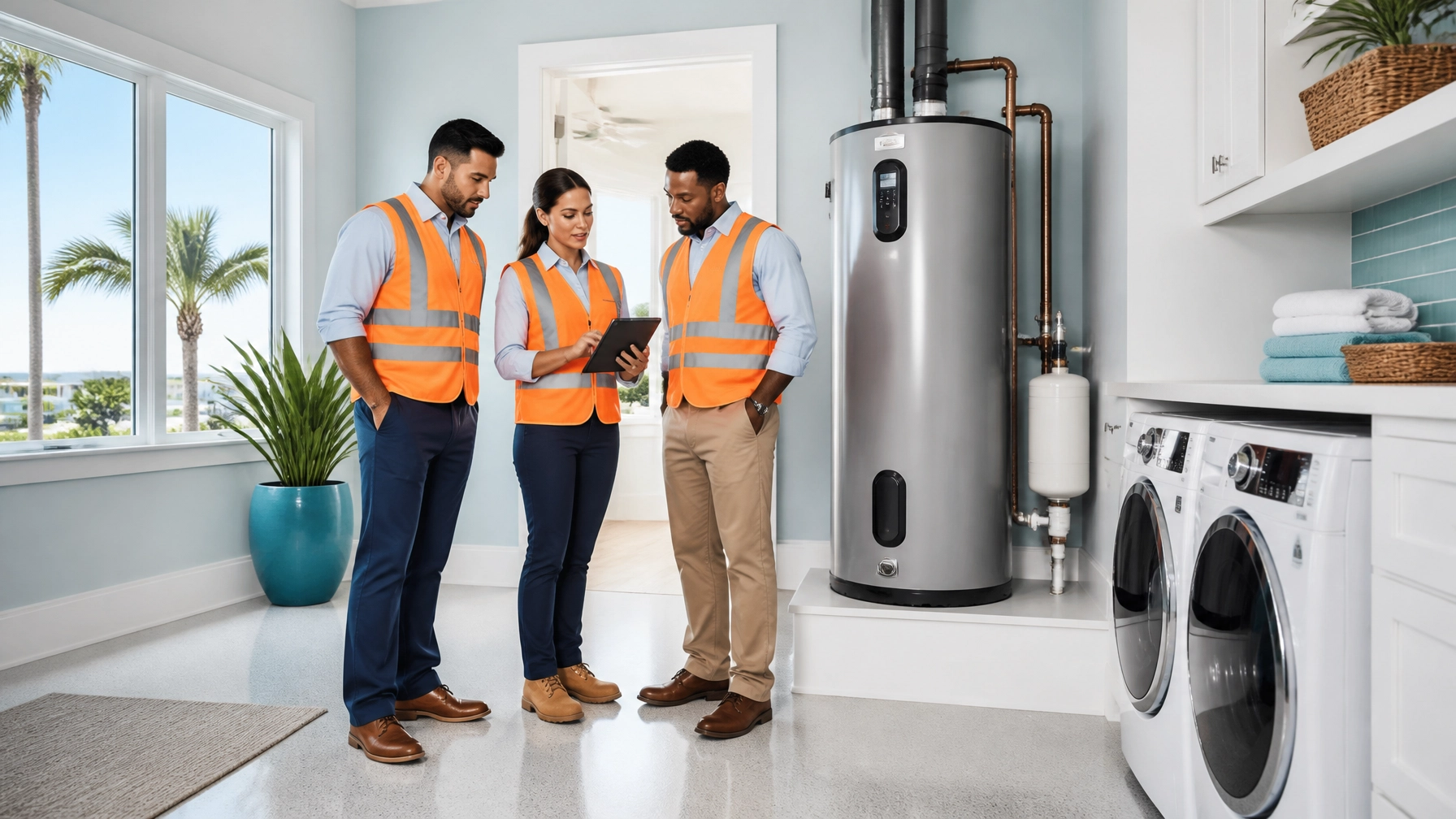
Choosing the right water heater for your Florida home is one of the most important decisions you will make as a property owner. Florida Plumbing Specialists is a fully licensed and insured network of professionals with statewide coverage across all 67 counties. Having resolved over 12,000 plumbing issues, we know that an efficient water heater isn't just about hot showers, it’s about protecting your home and your wallet.
Florida’s heat, humidity, and water mineral content create unique challenges for plumbing systems. Whether you are a homeowner, a realtor preparing a listing, or a contractor managing a renovation, understanding how to navigate the installation process is vital. This guide will walk you through five simple, stress-free steps to choose the best installation while maximizing your savings.
Step 1: Size Your System for Florida Demand
The first mistake many homeowners make is choosing a water heater based purely on the gallon size of the tank. In reality, you need to focus on the First Hour Rating (FHR). This number tells you exactly how many gallons of hot water the unit can supply during a busy hour of peak usage.
Because Florida homes often host guests or have multiple showers running simultaneously after a day at the beach, sizing is critical. We recommend assessing your household based on these benchmarks:
- Moderate Demand: If you typically run two showers at once, look for an FHR of at least 40 gallons.
- High Demand: For families taking three or more showers within an hour, or running the dishwasher and laundry at the same time, you should aim for an FHR of 60 gallons or more.
By sizing your system correctly, you avoid the cost of an oversized unit you don’t need, or the frustration of a system that leaves you with a cold shower mid-rinse. If you are unsure about your home's requirements, consulting a professional plumber near me can help pinpoint the exact capacity you need.
Step 2: Select the Right Type of Heater
Florida homeowners generally choose between three main types of water heaters. Each has different upfront costs and long-term savings potential.
Traditional Tank Water Heaters
These are the most common and have the lowest upfront cost, typically ranging from $1,200 to $4,500 installed in Florida. They keep a large volume of water hot at all times. While reliable, they do suffer from "standby heat loss," meaning they use energy even when you aren't using hot water.
Tankless Water Heaters
Tankless units heat water on demand. They are compact, wall-mounted, and can be 8% to 34% more energy-efficient than traditional tanks. While the initial installation cost is higher, often $2,400 or more, they last over 20 years, which is nearly double the lifespan of a tank heater.
Hybrid (Heat Pump) Water Heaters
This is the "secret weapon" for Florida residents. Heat pump water heaters pull heat from the surrounding air to heat your water. Since our Florida air is almost always warm, these units are incredibly efficient. They can reduce your water heating bills by 60% or more. In many cases, these units also provide a "cooling effect" to the garage or utility room where they are installed, a welcome bonus in our climate.

Step 3: Capitalize on Rebates and Incentives
You don’t have to pay full price for high-efficiency upgrades. There are numerous ways to lower your installation costs through local and federal programs.
Federal Tax Credits
Under current energy legislation, many high-efficiency water heaters qualify for significant federal tax credits. Heat pump water heaters, in particular, often qualify for credits that can cover a large portion of the equipment cost.
Florida Utility Rebates
Major Florida utilities frequently offer mail-in rebates for customers who switch to energy-efficient models. We recommend checking the ENERGY STAR Rebate Finder and your specific utility provider’s website before making a purchase.
PACE Financing
In many Florida counties, homeowners can utilize PACE (Property Assessed Clean Energy) financing. This allows you to install energy-efficient upgrades with no money down, with the cost repaid over time through your property tax bill. This is an excellent way to upgrade to a premium system like a hybrid or tankless unit without a large upfront investment.

Step 4: Prioritize Professional Installation and Compliance
It may be tempting to hire a "handyman" for a water heater swap, but this often leads to expensive mistakes. In Florida, water heater installation is a regulated activity that requires adherence to the Florida Building Code.
The Importance of Permits
A licensed professional will ensure that a permit is pulled for your installation. This is not just a formality; it ensures that a city or county inspector verifies the safety of the unit. Without a permit, you may face issues when trying to sell your home, or worse, your insurance provider could deny a claim if the unit causes water damage.
Safety and Insurance
Florida Plumbing Specialists provides 24-hour response times and utilizes licensed, insured contractors exclusively. Proper installation includes installing temperature and pressure relief (T&P) valves, thermal expansion tanks when necessary, and ensuring proper venting for gas units. Cutting corners here can lead to leaks or even explosions. If you ever suspect a fault in your existing unit, don't wait, contact an emergency water heater repair expert immediately.
Step 5: Protect Your Investment from Florida’s Water
Once your new heater is installed, the work isn't finished. Florida is known for "hard water," which contains high levels of calcium and magnesium. These minerals can settle at the bottom of your tank, creating a layer of sediment that acts as an insulator, forcing your heater to work harder and eventually leading to tank failure.
Annual Maintenance
To save money over the life of your unit, we recommend an annual flush. This simple procedure removes sediment buildup and maintains efficiency. For tankless units, a "descale" flush is required to keep the heating elements clear.
Leak Prevention
Water heaters are a leading cause of residential water damage. We recommend pairing your new installation with leak detection services. Smart leak detectors can shut off your water main automatically if a leak is detected, saving you from thousands of dollars in potential damage.

Frequently Asked Questions (FAQ)
Do I need a permit for a water heater installation in Florida?
Yes. Most jurisdictions in Florida require a plumbing permit for water heater replacements. This ensures the installation meets current safety and energy codes.
How long does it take to install a new water heater?
A standard tank-to-tank replacement usually takes 2 to 4 hours. Converting from a tank to a tankless system can take 6 to 10 hours due to necessary upgrades in gas lines or electrical wiring.
Is a tankless water heater worth it in Florida?
If you plan to stay in your home for more than 7 to 10 years, the energy savings and 20-year lifespan of a tankless unit often make it a superior financial choice.
What is the "First Hour Rating" I keep hearing about?
The FHR is the measure of how much hot water the unit can produce in one hour starting with a full tank. It is more important than the tank size itself when determining if the unit fits your family's needs.
Make Your Plumbing Simple, Safe, and Stress-Free
A new water heater is a significant investment, but it doesn't have to be a stressful one. By choosing the right size, selecting an efficient model, and leveraging available rebates, you can save thousands over the life of your appliance.
Florida Plumbing Specialists handles everything from emergency repairs to full statewide installations. We are committed to integrity, expertise, and a job done right the first time. No matter the property type or scope of work, we deliver fast and professional service.
Ready to upgrade your home's efficiency?
Contact Florida Plumbing Specialists today to schedule your consultation with a licensed professional.
Plumbing requirements may vary by jurisdiction. Always consult local authorities or a licensed Florida plumbing professional.